
What New Car Owners Need to Know About Tuning Stages
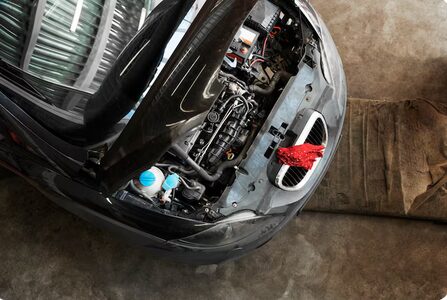
For many new car owners, tuning sounds like an exciting way to boost performance and personalize their vehicle. The idea of squeezing out extra horsepower or improving throttle response is tempting, especially for enthusiasts who love a little extra kick behind the wheel. However, tuning is not as simple as downloading an app or swapping a few parts. Each stage of tuning involves different levels of modification, cost, and impact on the car’s reliability. Understanding these stages helps you make smarter decisions, ensuring your car performs better without compromising safety or long-term durability.
The Safe and Simple Power Boost

Stage 1 tuning is often the entry point for beginners, offering noticeable performance gains without requiring major hardware changes. It typically involves software adjustments to the car’s engine control unit (ECU) to optimize air and fuel ratios, ignition timing, and boost pressure. This tuning stage works best for stock engines and can increase horsepower and torque by 10 to 25 percent, depending on the car model. Many manufacturers consider Stage 1 tuning relatively safe because it keeps modifications within the engine’s natural limits. However, it’s still essential to use a reputable tuner who understands your specific vehicle and can adjust settings accurately.
Adding Hardware for More Power
Once drivers get a taste of Stage 1 improvements, many move on to Stage 2 tuning for more noticeable results. At this level, tuning goes beyond software changes and includes physical upgrades like high-flow exhaust systems, intercoolers, and performance air intakes. These modifications allow the engine to breathe better, improving efficiency and power delivery. Stage 2 tuning offers impressive performance gains, but it also increases wear on certain components. Regular maintenance becomes even more important at this stage. It’s also wise to check your warranty terms, as some manufacturers void coverage once performance parts or ECU modifications are detected.
Serious Power with Serious Commitment
Stage 3 tuning is where cars start turning into track-worthy machines. This stage involves major hardware changes such as larger turbochargers, upgraded fuel systems, and reinforced internals. It demands significant investment, both financially and mechanically. The performance improvements can be dramatic, sometimes doubling the original horsepower output. However, this stage also requires precise calibration to maintain engine health and reliability. Stage 3 tuning is not ideal for daily drivers because the increased power can affect drivability, fuel economy, and long-term durability. It’s best suited for enthusiasts who want to push their cars to their limits on the track rather than on public roads.
The Importance of Professional Tuning and Maintenance

Regardless of the tuning stage, professional installation and maintenance are crucial. A skilled tuner ensures that changes are compatible with your car’s setup and that the ECU adjustments match the mechanical upgrades. Poorly executed tuning can lead to overheating, engine knock, or premature component failure. After tuning, regular oil changes, fuel system checks, and monitoring engine health should become part of your routine. Using high-quality fuel and lubricants also supports smoother performance and longevity. Remember, tuning is an investment in both power and precision, and cutting corners can be costly.
Legal and Insurance Considerations
Before modifying your car, it’s important to understand the legal and insurance implications. Some regions have strict regulations about emissions or performance alterations, and non-compliance can lead to fines or registration issues. Insurance companies may also increase premiums or deny coverage for modified vehicles. Always inform your insurer about any tuning changes and verify that your car remains road-legal. Taking these precautions keeps you safe from legal trouble and financial surprises if something goes wrong.
Tuning can transform your car’s performance and driving experience, but it must be approached with knowledge and care. Stage 1 offers a simple, safe boost, Stage 2 adds more hardware for greater gains, and Stage 3 delivers high-performance results for dedicated enthusiasts. The key is balancing excitement with responsibility by choosing professional tuners, maintaining your vehicle regularly, and staying aware of legal requirements. With the right approach, tuning can make your car more powerful, responsive, and uniquely yours without sacrificing reliability or safety.

