
Why Old Japanese Cars Became Drift Favorites
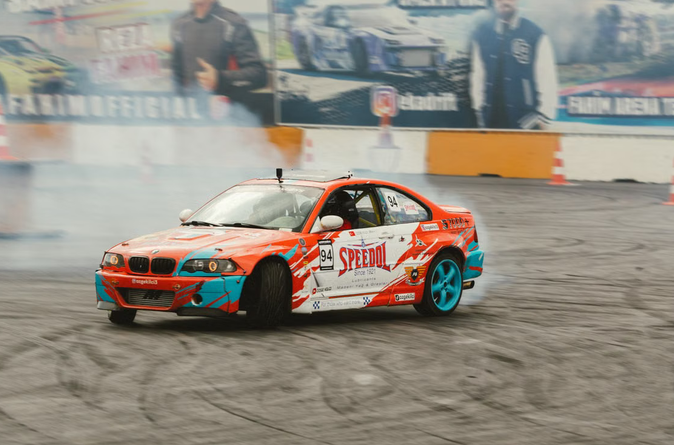
There are many ways to ruin a perfectly respectable old car. You could leave it in a field for twenty years. You could fit terrible wheels. Or, if you have a particular sort of enthusiasm, you could point it at a corner and deliberately make the back end overtake the front. This is where old Japanese cars become rather interesting. Models such as the Nissan Silvia, Toyota Corolla AE86, Mazda RX 7, and Nissan 180SX became closely associated with drifting for several practical reasons. They offered rear wheel drive, relatively light bodies, useful chassis balance, and enormous tuning potential. In other words, they were rather good at doing something that looks completely wrong and feels absolutely brilliant.
Rear Wheel Drive Was the Big Ingredient
Drifting works beautifully with rear wheel drive because the rear wheels can break traction while the front wheels remain responsible for steering. That basic arrangement gives the driver a predictable way to provoke and control oversteer. It is mechanical mischief with a steering wheel attached. Many older Japanese performance cars already had this layout. That meant enthusiasts did not have to invent a completely new recipe. Add more power, improve suspension, fit suitable tires, and the car could become considerably more eager to slide. Suddenly, an ordinary-looking coupe had the manners of a shopping trolley possessed by a demon.
They Were Light and Relatively Simple
Old Japanese cars also benefited from relatively modest weight. A lighter vehicle needs less power to break the rear tires loose, which makes drifting easier without building a gigantic engine. That was particularly useful for enthusiasts working with limited budgets. Their mechanical simplicity helped too. Older engines and drivetrains often gave owners plenty of room to modify components without dealing with the electronic wizardry found in modern performance cars. You could spend Saturday afternoon changing parts instead of spending Saturday afternoon arguing with a computer.
Tuning Potential Made Them Popular

This is where things get properly interesting. Japanese performance cars developed enormous aftermarket support, with companies producing suspension components, differentials, engine parts, turbo upgrades, wheels, and other hardware. Owners could gradually transform a standard car instead of buying something expensive straight away. That flexibility helped create entire enthusiast communities around particular models. A Toyota AE86 could remain relatively modest or become a highly focused drift machine. A Nissan Silvia could receive serious engine and chassis upgrades. The basic car became a starting point, rather than the final product.
Motorsport Helped Build the Reputation
Drifting also became a recognizable motorsport and entertainment spectacle, particularly in Japan before spreading internationally. Drivers demonstrated that controlling a car sideways could involve serious technique rather than simply flooring the accelerator and hoping for the best. Suddenly, the humble art of oversteer had spectators. Popular media pushed the fascination even further. Films, games, magazines, and television introduced millions of people to Japanese drift cars. The Toyota AE86 became particularly famous through Initial D, while Nissan’s S chassis gained a devoted following among enthusiasts. The cars became cultural icons as much as mechanical objects.
Why the Formula Still Works

The appeal of these cars ultimately comes down to a rather simple recipe. Rear wheel drive provides the foundation, low weight makes the car responsive, and plentiful aftermarket parts make modifications accessible. Add a driver willing to sacrifice several perfectly good tires, and you have the ingredients for sideways entertainment. Of course, age has changed the equation. Clean examples are harder to find, prices have risen for several famous models, and modifying an old car can become expensive surprisingly quickly. Yet their reputation survives because the formula still makes sense.…

