
Understanding the Top Causes of a Leaking Radiator
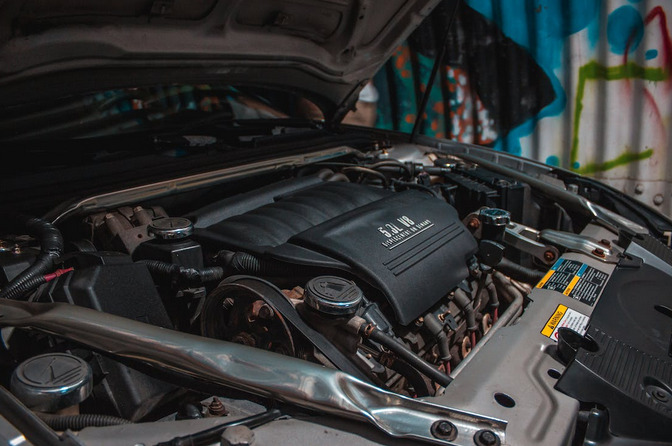
Leaking radiators can be a common problem, and understanding their causes is key to resolving the issue. Now note that this issue can happen to anyone even if your car has those fancy H7 Globe eco-safe light bulbs, a beautiful paint job with a smooth finish, and even leathered cushion. But still, driving with a leaky radiator is a big no-no. But why can radiators leak? Read on to find out the answer and discuss preventive measures to keep your radiator in tip-top shape.
Leaked Radiator Gasket

The radiator gasket serves as a seal between the different components of your car’s cooling system, including the radiator itself and other parts like hoses and pipes. Over time, due to exposure to heat and pressure, the gasket can deteriorate, leading to leaks. This can happen if it becomes cracked, brittle, or loses its ability to create a tight seal. Additionally, incorrect installation or improper tightening of bolts during repairs can also contribute to gasket failure.
When the gasket starts leaking, coolant fluid may escape from around the edges or seams of the radiator. You might notice puddles forming under your vehicle or even detect a sweet smell coming from beneath the hood. It’s important not to ignore these signs as they indicate that immediate action needs to be taken.
Rust and Corrosion
From time to time, the metal components of your radiator can start breaking down due to exposure to water and other elements. This gradual degradation leads to the formation of rust and eventually causes leaks. One of the main causes of rust in a radiator is the presence of oxygen in the coolant system. When oxygen combines with water, it creates an ideal environment for corrosion to occur.
Additionally, if there are any impurities or contaminants in the coolant, they can accelerate this process. Corrosion affects not only the exterior surface of your radiator but also its interior components, such as pipes and fins. As rust eats away at these parts, tiny holes may form, allowing coolant to escape.
Malfunctioning Water Pump
When the water pump starts to fail, it may not be able to effectively circulate coolant, causing an increase in engine temperature. This excessive heat can put pressure on the radiator and other cooling system components, ultimately leading to leaks. Another common issue with a malfunctioning water pump is a broken impeller. The impeller is responsible for moving coolant through the system, and if it becomes damaged or breaks off, it can hinder proper circulation and cause coolant leakage.
Failed Expansion Tank

The failed expansion tank is another common cause of a leaking radiator. This component is crucial for regulating the pressure within your car’s cooling system. Over time, the expansion tank can develop cracks or leaks, leading to coolant leakage and potential overheating issues. A failed expansion tank can be due to old age. Like any other part of your vehicle, the expansion tank can deteriorate over time due to constant exposure to high temperatures and pressure changes. Cracks may form as a result, allowing coolant to escape. It can also be the result of poor maintenance.
So what do you think? Taking proactive steps to prevent your radiator from leaking can save you time, money, and hassle in the long run. So, be sure to schedule regular inspections of your radiator to catch any potential leaks early on. It also pays to ensure that the coolant levels are maintained at the recommended level.…

 Your car needs a specific type of oil to keep it running smoothly. You need to change the engine oil at least once per year or every 5000 miles. If you don’t, then your car’s moving parts won’t have any lubrication, and they will start wearing down quickly. Most cars recommend changing the engine oil every four months if not then, then at least twice a year. You should also change the oil filter when you change the engine oil and dispose of it properly.
 It’s important to check your tire pressure every few days. If the air in one of your
  The exhaust system is essential as well! You should make sure that your car’s exhaust system isn’t loose or rusted. If you hear a strange noise coming from the engine, then it might be a problem with one of these pipes. This can cause serious damage to the entire machine and cost a lot of money to repair if not taken care of. Many people have to repair this at the mechanic because they didn’t catch any of these problems before they became serious.
 easy to install. You will not require the help of an expert to help you in installing them. They are very straightforward and hence will not need any training before you can do the installation. This aspect will assist you in saving the extra cost that you could use in paying for the mechanic. The lights have guidelines on installation and explain the step to step guide to installing the LED lights.
 The LED headlights are more efficient than the halogen lights. Halogen bulbs will waste a lot of energy like eighty percentage for them to generate heat as an after product while creating the glow light. On the other hand, the LED headlights will save the energy wasted by creating it in the light but will only waste 20%. This process of converting energy to light will be very effective for you in a significant manner.
 You need to ensure that the tires are always in good condition. The first tip in relation to this is that you should rotate them after covering about 5000 miles. The process is as simple as swapping the front tires with the back ones. It is important to do this as it ensures that the tires wear off uniformly.
